A 20×20 patio sounds simple on paper. A 400-square-foot outdoor footprint doesn’t seem massive until you start pricing materials, grading the yard so rain doesn’t flood your house, hurricane-rated shade structures, and skilled labor in Florida. Suddenly, the numbers start moving fast.
Many homeowners in Orlando, Cape Coral, and St. Petersburg begin with plans for a basic outdoor remodel. A new finish. Maybe some outdoor furniture. A few weeks later, the project grows into a full backyard remodel with lighting, pavers, a pergola, or even a fire pit.
Local conditions drive up patio costs more than most people expect. Between the heavy rains, shifting ground, and notoriously poor soil, the dirt under your feet requires a lot of attention.
The state of your current slab matters, too. If it’s sinking or badly cracked, a simple cosmetic cover-up won’t work. You’ll need serious site prep before any new materials can go down.
If you are trying to budget realistically, the aim is not just to find the cheapest number. You want a patio that lasts through Florida weather without becoming a repair problem two years later.
Key Takeaways:
|
What Counts as a 20×20 Patio Remodel in Florida?
A 20×20 patio gives you around 400 sq ft of usable outdoor living space. In Florida, that size is common because it is large enough for entertaining without taking over the entire backyard.
Some remodels stay cosmetic. Others turn into full outdoor living projects. The scope changes everything from labor costs to material costs and labor time.
Why 20×20 Is One of the Most Common Patio Sizes
Most patios this size can comfortably fit:
A dining table
Lounge seating
Grill station
Small outdoor kitchen
Built-in seating
Fire feature
You see this layout often in newer Orlando communities where homeowners want more usable outdoor space but do not want a massive deck or pool expansion.
A 400 square footage layout also works well around pools. Many Florida homeowners use the space for a mix of entertaining and shade.
Patio Remodel vs Patio Replacement
This part confuses a lot of people. A remodel usually means improving the existing surface. That may include:
Stamped concrete
Decorative coatings
Overlay systems
Concrete pavers
Brick pavers
Lighting upgrades
A replacement means tearing out the old structure and rebuilding the patio area completely.
The total cost changes dramatically between those two paths. If the original concrete patio has deep cracks or drainage failure, resurfacing may only hide the problem temporarily.
Florida Conditions Add More Complexity
Florida patios deal with:
Constant UV exposure
Rain runoff
Moisture buildup
Shifting soil
Mold and algae staining.
In Cape Coral and coastal areas, salt exposure can also wear materials down faster. Some site conditions even require French drains or additional grading before installation starts.
A patio may look fine from the surface, while the base underneath is slowly failing.
Average Cost to Remodel a 20×20 Patio in Florida
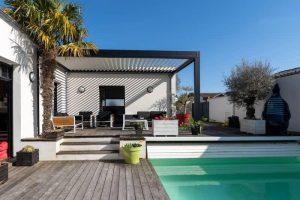
The average cost to remodel a 20×20 patio in Florida usually ranges from minor cosmetic improvements to full luxury outdoor living construction. Most homeowners spend somewhere between basic resurfacing pricing and much higher numbers tied to roofing, kitchens, or structural additions.
The biggest mistake people make is assuming every patio is priced the same per square foot. Florida projects rarely work that way because site preparation, drainage, and design complexity heavily affect the final price.
Remodel Type | Estimated Price Range (20×20 / 400 sq. ft.) | Best For |
Basic Cosmetic Remodel | $2,000 – $4,500 | Structurally sound concrete slabs needing a fresh, clean visual update. |
Mid-Range Remodel | $6,000 – $14,000 | Paver patio, overlays, lighting, drainage upgrades |
High-End Outdoor Remodel | $18,000 – $35,000+ | Outdoor kitchens, lanais, pergolas, luxury finishes |
Basic Cosmetic Remodel Costs
If your existing concrete pad is flat, level, and structurally stable, a cosmetic remodel is your most affordable option. This typically covers pressure cleaning, minor hairline crack injection, decorative color coatings, and a premium UV-resistant sealer.
If your concrete patio is structurally stable, this route can dramatically improve its appearance without full demolition.
A homeowner in St. Petersburg may spend far less resurfacing a stable slab versus replacing everything entirely.
Mid-Range Patio Remodeling Costs
Most Florida homeowners end up somewhere in this range because it balances appearance, durability, and budget without turning into a massive construction project.
Common upgrades include:
Stamped concrete
Natural stone pavers
Concrete pavers
Lighting systems
Drainage corrections
Decorative borders
This level balances appearance with durability. It also gives more flexibility for backyard design upgrades later.
High-End Patio Renovation Costs
Luxury transformations carry premium price tags because they cross over from simple ground-level hardscaping into structural building. These projects introduce vertical elements. Think custom outdoor kitchens, insulated aluminum lanais, louvered pergolas, built-in seating, and integrated screen enclosures. They require dedicated construction permits, more equipment, labor, and architectural engineering, and specialized trades like licensed electricians and plumbers.
The additional cost adds up fast, especially when multiple trades are involved. Still, many homeowners choose these upgrades because they extend outdoor living almost year-round in Florida.
💡 Looking Beyond the Patio? If your plans go past the hardscape footprint and include new sod, privacy fencing, or total landscape design, the scope changes. To see how these larger elements fit together, check out the complete Florida Backyard Makeover Cost Guide.
What Actually Drives Patio Remodeling Costs Higher?
The size of the patio matters, but it is rarely the biggest pricing factor. A simple 400 square foot installed patio can still become expensive depending on what contractors discover underneath or around the structure.
The factors below usually have the biggest effect on patio costs.
Existing Slab Damage
Cracks alone are not always a major issue. The bigger problem is movement underneath the slab.
Florida soil shifts constantly. Water intrusion, roots, and settlement create hidden instability. Once contractors start demolition, deeper structural issues sometimes appear.
A patio that only looked faded from above may actually need:
New base work
Reinforcement
Drainage correction
Full replacement
That increases both labor costs and additional labor quickly.
Drainage Problems
Drainage work quietly becomes one of the largest expenses on many Florida projects.
Pooling water destroys patios over time. So do improper slopes.
Some homes in Orlando and Cape Coral need:
Regrading
French drains
Drain channels
Additional slope correction
Without proper drainage, even highly durable materials fail earlier than expected.
Roofing and Shade Structures
Pergolas and covered patios add comfort, but they also increase:
Permit requirements
Structural engineering
Footing work
Hurricane anchoring
Wood structures can sometimes appear cheaper upfront, but aluminum systems usually hold up better long-term in Florida humidity.
Electrical and Plumbing Additions
Outdoor kitchens dramatically increase the total cost because they involve:
Electrical lines
Gas
Plumbing
Lighting
Appliances
Once multiple subcontractors enter the project, labor time expands.
Backyard Access Issues
Tight backyard access increases construction difficulty.
If crews cannot bring machinery through the side yard, they often rely on manual transport. Wheelbarrow-only access adds more labor and slows everything down.
Even a simple patio installation becomes harder under tight conditions.
Patio Material Cost Breakdown
The material you choose affects appearance, maintenance, lifespan, and long-term value. Some materials cost more upfront but save money later because they hold up better in Florida weather.
The right choice depends on your goals, site conditions, and how you actually use the space.
Concrete Patio Costs
A poured concrete patio is usually the most affordable option. Basic concrete works well for:
Simple seating layouts
Pool decks
Functional outdoor spaces
It also keeps material cost lower compared to premium finishes.
Plain concrete gets the job done, but many patios end up looking flat or unfinished without decorative texture or color.
Paver Patio Costs
A paver patio costs more initially because installation takes longer. Crews need:
Base compaction
Edge restraints
Sand leveling
Precise layout work
Polymeric sand or joint sand
Still, pavers are easier to repair later because damaged sections can be replaced individually.
Many homeowners in St. Petersburg prefer brick pavers or concrete pavers because they fit Florida’s outdoor aesthetics well.
Natural Stone Patio Costs
Natural stone and travertine sit in the premium category. These materials stay cooler under direct sunlight and improve resale value in higher-end neighborhoods.
Some projects source from local quarries while others import materials, which affects prices.
Stamped Concrete Overlay Costs
Stamped concrete overlays work best when the slab underneath remains stable.
This approach transforms appearance without full replacement. You can create:
Stone patterns
Wood textures
Intricate patterns
It gives a higher-end appearance without the most expensive option pricing tied to luxury stone.
Hidden Costs Homeowners Usually Miss
The visible materials are only part of the budget. Many homeowners focus heavily on finishes while overlooking the behind-the-scenes work that affects the final price the most.
Such unexpected costs usually appear after demolition starts.
Permit Fees and Local Requirements:
Florida cities vary heavily in permits and inspections.
In Orlando, structural additions often trigger additional approvals. Coastal regions may also require stricter wind-related standards.
HOAs create another layer. Some communities limit:
Colors
Roofing styles
Materials
Patio expansions
Demolition and Disposal
Old concrete patios are heavy and expensive to remove. Disposal fees, dumpster rentals, and hauling all add to the total cost. Large patios with thick slabs or old reinforcement require more equipment and labor.
Drainage Corrections
Drainage fixes often surprise homeowners the most. A patio may need:
Regrading
Additional drains
Soil stabilization
Slope adjustments
Without correcting the water flow first, even expensive materials can fail.
Outdoor Furniture and Appliances
The patio itself may finish on budget, while everything added afterward pushes spending higher.
Outdoor kitchens, dining sets, fans, and TVs add up quickly.
A basic design can suddenly become a full luxury backyard remodel once accessories enter the plan.
Future Maintenance Costs
Some materials stay more low-maintenance than others.
For example:
Concrete may require resealing.
Natural stone may need periodic care.
Pavers may need occasional joint sand replacement.
Long-term upkeep matters just as much as upfront pricing.
Which Patio Upgrades Deliver the Best ROI in Florida?
Not every upgrade adds equal value. Some features improve comfort, durability, and usability far more than flashy cosmetic extras.
The best upgrades usually help you enjoy the space year-round while improving resale appeal.
Covered Patios and Shade Structures
Florida heat changes how often you actually use outdoor space. Covered patios help reduce surface heat, sun exposure, and rain interruptions.
Many homeowners choose pergolas or insulated patio covers because they make the area usable during summer afternoons.
Outdoor Kitchens
Outdoor kitchens remain one of the strongest lifestyle upgrades. They work especially well in pool homes, entertaining spaces, and large patios. Even smaller layouts with a grill station and prep counter improve functionality.
Decorative Concrete Finishes
Decorative overlays and stamped concrete improve appearance without requiring full reconstruction. This route often balances cost, visual impact, and durability.
Screen Enclosures
In Florida, screen enclosures increase comfort more than many people expect. They help reduce bugs, debris, and direct sun exposure. That makes outdoor living easier through more months of the year.
Poolside Patio Expansions
Expanding the patio area around a pool improves both function and appearance.
Extra room for seating, loungers, or a fire pit creates a stronger entertainment layout while increasing perceived home value.
Remodel or Replace an Old Patio?
Not every aging patio needs full replacement. Some only need cosmetic work, while others are already failing underneath.
Most homeowners struggle with figuring that out before demolition starts or contractors inspect the slab underneath.
When Remodeling Makes Sense
You don’t need a sledgehammer if your current patio checks these:
The concrete is stable and hasn’t settled or tilted.
Cracks are just tiny surface blemishes, not deep splits.
Rainwater still flows away from your home naturally.
The problem is just ugly, faded, or stained concrete.
If that sounds like your backyard, a decorative overlay or cosmetic resurfacing is all you need to make it look brand new.
When Replacement Is Smarter
You’re better off replacing the entire patio if the damage runs deeper than the surface. Look out for warning signs like major uneven settling, deep structural cracks, or tree roots lifting up sections of the slab.
Persistent standing water is another red flag that your yard needs to be completely regraded. If your patio has a history of old repairs that keep cracking open, it’s a clear sign the sub-base is compromised.
In these situations, attempting a cosmetic remodel is just a temporary band-aid on a structural problem.
How Contractors Evaluate Existing Patios
Experienced contractors inspect more than appearance. They look at:
Base stability
Moisture intrusion
Expansion joints
Drainage flow
Soil movement
A patio in Cape Coral may deal with very different site conditions than one in Orlando.
Good contractors explain what is happening underneath the surface before recommending upgrades.
Getting multiple quotes also helps you compare scope differences, not just pricing.
How to Save Money Without Ruining the Patio Long-Term
Saving money on a patio remodel does not mean choosing the cheapest materials possible. The smarter approach is to reduce waste while protecting long-term durability. Florida weather punishes shortcuts fast.
Preserve Structural Components When Possible
If the existing slab remains stable, resurfacing can lower costs dramatically compared to full demolition. Keeping usable structures reduces labor, disposal fees, and material usage.
Phase Larger Upgrades Over Time
You do not need every upgrade immediately. Many homeowners start with surface remodeling, lighting, and basic seating. Then add outdoor kitchens, pergolas, and expanded layouts later.
That approach spreads out spending while keeping the outdoor remodel moving forward.
Choose Florida-Friendly Materials
Some other materials simply hold up better here.
For example:
Aluminum structures resist moisture better than untreated wood.
Travertine stays cooler than dark concrete.
Pavers handle movement better than large slabs.
Avoid Peak Contractor Rush Seasons
Spring and early summer often bring higher demand. Scheduling projects during slower periods may help reduce delays and improve contractor availability.
Focus on Prep Work First
Skipping prep work creates expensive problems later. Strong site prep, proper drainage, and quality installation usually matter more than choosing the flashiest finish.
Planning a Patio Remodel That Actually Lasts in Florida
A successful 20×20 patio remodel comes down to planning for what’s underneath the surface, not just how it looks on top. In Florida, factors like intense heat, heavy downpours, and shifting soil dictate how well your hardscaping holds up. Even a beautiful finish will fail early if underlying drainage or slab issues are ignored.
Whether your 400-square-foot space needs a straightforward cosmetic resurfacing or serves as the foundation for a full outdoor kitchen and shade structure, proper site evaluation is key. Taking the time to check your slab and yard drainage now prevents expensive corrective repairs down the road.
At Creative Outdoor Florida, they help homeowners across Orlando, Cape Coral, and St. Petersburg build 20×20 patios engineered for real local conditions, not just showroom photos.