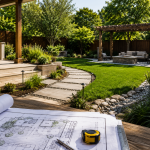
You’ve probably seen the new wave of design apps where artificial intelligence promises to sketch a dream yard in seconds. Upload a photo, type a few prompts, and suddenly a patio appears, new greenery fills the lawn, and the entire outdoor space looks like a magazine cover. This surge of AI backyard design tools is changing how many Florida homeowners begin planning a backyard makeover.
Across Orlando, Tampa, and Naples, more people now explore AI landscape design tools before speaking with a contractor. The idea sounds exciting: generate a concept with just a few clicks and visualize a new layout instantly.
But backyard projects involve more than a beautiful image. Soil conditions, drainage paths, building codes, and Florida’s demanding climate influence what can actually be built. Understanding how AI backyard design works, and where professional expertise steps in, helps turn inspiration into a backyard that truly thrives.
Why AI Backyard Design Tools Are Becoming Popular
The rise of AI backyard design tools reflects how quickly technology has changed the early stages of landscape design. Instead of sketching ideas on paper, homeowners now explore concepts using digital platforms powered by artificial intelligence.
Many of these platforms function as simple AI-powered tools. You upload a yard image, describe what you want, and the software instantly begins to generate designs. A pool area might appear beside the patio, a walkway might cut through new plant arrangements, and a different lawn layout may emerge within seconds.
For people considering remodeling a backyard, this process feels fast and exciting.
AI platforms also make it easier to explore possibilities such as:
alternative patio layouts
updated garden design ideas
modern landscaping concepts
different placements for greenery and seating
For Florida homeowners researching a backyard upgrade, AI backyard design is often the first step toward imagining a new outdoor lifestyle.
What AI Backyard Design Tools Can Actually Do Well
Many of these AI landscape design tools rely on large databases of landscape photos and design examples. When you upload a yard photo, the system compares patterns and begins generating a concept based on those references. The result is often a visually appealing AI-generated design that suggests a new layout or fresh plant arrangements.
Generate Visual Layout Concepts
One of the biggest strengths of AI-powered technology is its ability to quickly test different layouts. In a matter of seconds, AI makes several variations of the same space.
Examples might include:
Patios repositioned closer to the house.
New garden beds were added along the property line.
seating zones placed around a fire feature
Lawn areas replaced with decorative greenery.
Seeing these variations helps you understand how different elements might work together.
Help You Explore Landscape Design Ideas
Another advantage is the ability to test new styles without committing to physical changes. A tool might transform your yard into a tropical garden, a modern patio layout, or a lush courtyard filled with plants.
Typical suggestions may include:
plant arrangements for shade areas
decorative greenery around walkways
patio extensions
water features or raised planters
For homeowners who struggle to visualize outdoor changes, AI garden design tools can make ideas feel more real.
Provide Fast Inspiration Before Hiring Designers
Perhaps the most useful benefit of AI backyard design is speed. In the past, homeowners might flip through magazines or search endlessly online for landscape inspiration. AI tools compress that process dramatically.
With just a few prompts, these systems generate:
visual concepts
landscaping themes
potential yard design options
While these concepts are not construction-ready, they provide a creative starting point that can guide conversations with a landscape designer later in the design process.
Where AI Backyard Design Falls Short
While AI backyard design tools produce beautiful concepts, they often struggle with the practical realities of construction. Landscaping involves far more than generating attractive images. A backyard must function with the property’s soil, drainage, utilities, and climate conditions.
AI programs rarely accurately evaluate those factors.
Drainage and Soil Conditions
In Florida, drainage plays a huge role in outdoor planning. Heavy summer storms can quickly flood low areas of a yard. An AI-generated layout might place a patio or garden bed in a spot where water naturally collects.
Professional designers evaluate:
natural water flow
soil type
grading requirements
Without that analysis, an AI layout could lead to costly problems later.
Permits and Local Regulations
Another major limitation is local regulation. Florida counties often require permits for patios, pergolas, retaining walls, or outdoor kitchens.
AI tools cannot interpret zoning restrictions or property setbacks. A concept might look appealing on screen, but violate city-building rules. In places like Orlando or Tampa, permits and inspections are part of the construction process.
Structural and Engineering Requirements
Outdoor features also require proper structural engineering. Pergolas must withstand wind loads. Retaining walls must support soil pressure. Outdoor kitchens require planning for gas and electricity.
AI-generated images rarely account for these structural details.
Existing Plants and Physical Constraints
Finally, real yards contain elements AI cannot always detect clearly. Mature trees, irrigation lines, underground utilities, and uneven grading all affect the final design.
A concept may place new landscaping directly over existing plants or utility lines. These hidden obstacles create a gap between digital design and construction reality.
AI tools provide inspiration, but turning those images into a buildable outdoor space still requires professional expertise.
Why Florida Backyards Require Real Design Expertise
Designing an outdoor space in Florida involves unique environmental challenges. Heat, humidity, and frequent storms all affect how landscaping performs over time. Materials that work well in cooler regions may fail quickly in this climate.
Professional backyard remodelers also consider factors such as:
drainage planning for heavy rainfall
UV exposure affecting patio materials
wind resistance for pergolas or shade structures
Across cities like Sarasota, Naples, and Tampa, homeowners often want a yard that blends beauty with durability. That balance requires more than a visual concept.
A professional landscape designer evaluates soil conditions, property grading, and long-term maintenance needs. They also help choose plants that thrive in Florida’s heat while complementing the home’s style.
This local knowledge turns creative inspiration into a backyard environment that truly works in the Florida climate.
How Contractors Turn AI Ideas Into Real Backyard Plans
Many homeowners now arrive at design consultations with screenshots from AI backyard design tools. Those images can be a helpful starting point. The real transformation happens when experienced contractors turn those digital concepts into buildable plans.
Professional backyard projects follow a much deeper design process than AI alone can provide.
Step 1: Evaluate the Property
The first step involves studying the yard itself. Contractors measure elevation changes, analyze drainage patterns, and examine the condition of existing structures.
Important factors include:
soil stability
underground utilities
property boundaries
sunlight patterns
These details influence the final layout more than any AI-generated concept.
Step 2: Refine the Design Vision
Once the property conditions are understood, designers refine the inspiration into a practical layout. Elements from AI concepts, such as patios, plant zones, or seating areas, can be adapted to fit the space realistically.
This stage may include:
adjusting patio placement
selecting durable materials
integrating walkways and greenery
The goal is to preserve the homeowner’s vision while ensuring the design actually works.
Step 3: Plan Structural and Functional Elements
Outdoor features often require engineering considerations. Retaining walls, pergolas, outdoor kitchens, and drainage systems must be planned carefully.
Professionals coordinate:
structural engineering requirements
irrigation planning
electrical connections
gas lines for cooking areas
These details ensure the outdoor space remains safe and durable.
Step 4: Build a Backyard That Fits Your Lifestyle
Finally, contractors build a space that matches how you actually use your backyard. Whether the focus is entertaining, relaxing, or gardening, the design reflects real daily life, not just an AI image.
By combining digital inspiration with real-world expertise, designers transform AI ideas into a finished backyard environment that feels natural, functional, and lasting.
AI Can Inspire Backyard Ideas But Experience Builds Them
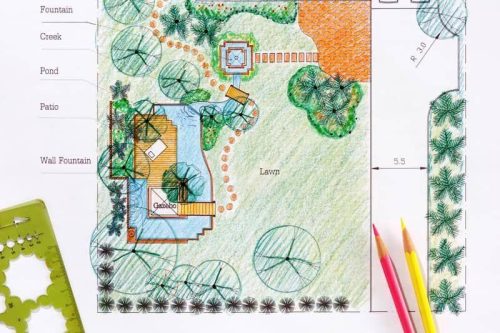
The rise of AI backyard design tools shows how much creativity technology can unlock. Within minutes, you can visualize patios, greenery, and different garden styles that completely transform the look of a yard.
That inspiration can be powerful. It helps homeowners explore possibilities and imagine how their outdoor space might evolve.
But real backyards live in the physical world. Soil conditions, drainage, climate exposure, and structural safety all influence the final design. Those realities require experienced designers who understand how outdoor environments function over time.
Think of AI as the sketchbook, not the blueprint. It sparks ideas and encourages creativity. The real transformation happens when professionals translate those ideas into plans that work with the property and the Florida climate.
In the end, technology may start the vision, but expertise brings that vision to life.
Start Planning a Backyard That Works for Florida Living
If you’ve been experimenting with AI backyard design tools, you already know how exciting it is to imagine new possibilities for your yard. Seeing those ideas come to life in a realistic, well-built outdoor space is the next step.
During the planning process, designers evaluate drainage, materials, plant selections, and how the space will actually be used. The result is a backyard that blends creativity with practical design.
When you’re ready to move beyond digital concepts, a professional design team can help transform those ideas into a lasting outdoor space.
Frequently Asked Questions
Some AI tools offer free features that generate landscape concepts from photos. These designs provide visual inspiration but usually do not account for permits, drainage, or structural requirements.
AI landscape design tools analyze photos and prompts to create layout suggestions for gardens, patios, and outdoor features. They help homeowners visualize possibilities before starting a project.
AI can generate visual landscaping concepts, but a complete landscaping plan usually requires professional designers who understand site conditions, engineering, and construction requirements.
Many backyard features, such as patios, pergolas, retaining walls, and outdoor kitchens, require permits depending on the city or county. Local contractors typically manage this process during construction.
Yes, several free tools offer excellent starting points for visualizing your outdoor space:
iScape (iOS): Uses Augmented Reality (AR) to overlay plants and features onto a real photo of your yard.
Gardena My Garden: A simple, web-based 2D planner ideal for mapping out garden beds and irrigation.
Neighborbrite: A popular 2026 AI tool that generates instant landscape inspirations from a single yard upload.
The Pro Reality: While these apps are great for style inspiration, they don’t account for critical Florida-specific factors like proper drainage during heavy rain, local building permits, or salt-air plant tolerance. Use them to gather your ideas, then consult a professional to ensure your plan is buildable and code-compliant.